

By Derek Goodman
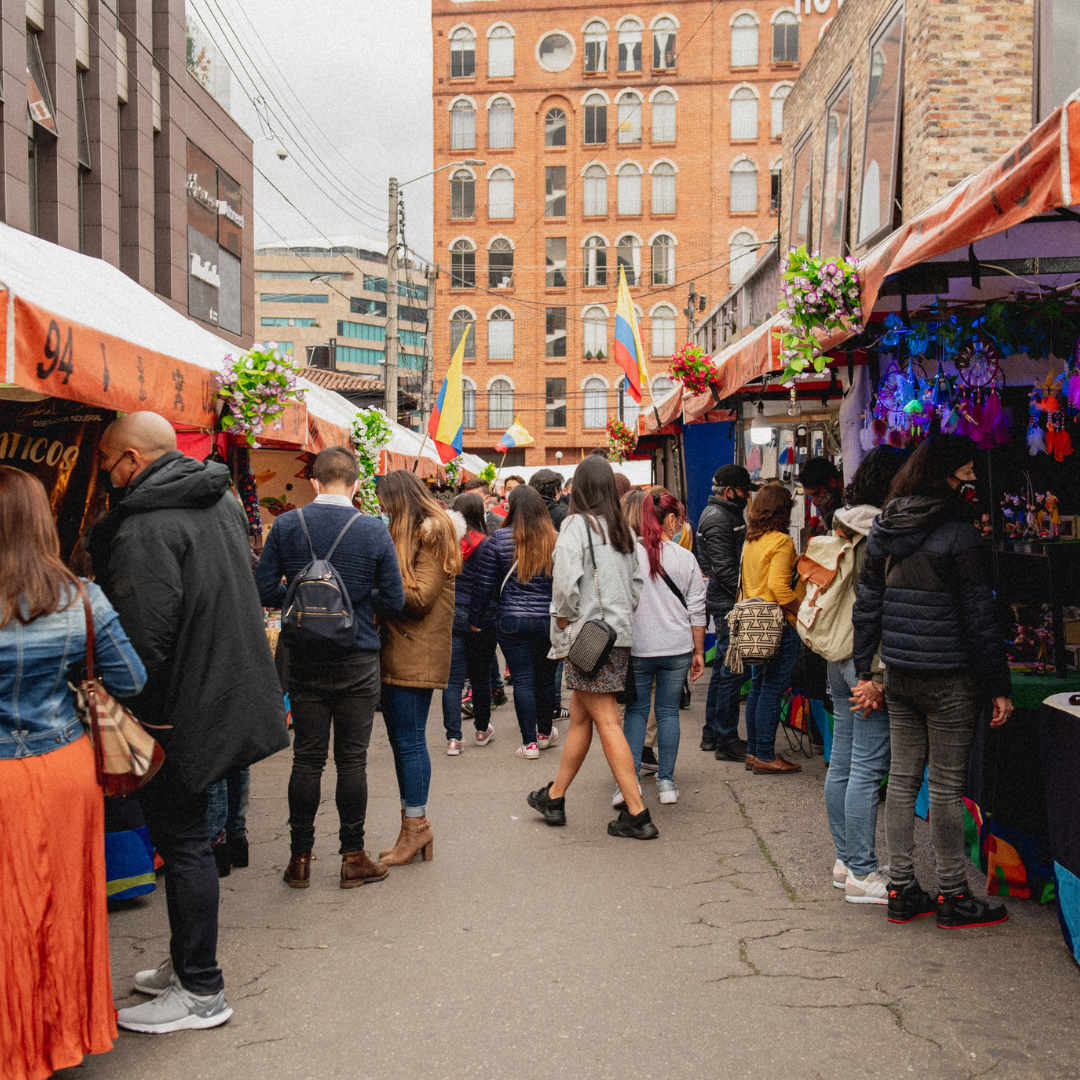
Standing out at a local fair or pop-up market requires more than just showing up and setting up a folding table. To truly capture attention, a small business must blend visual storytelling with interactive engagement to create a memorable brand presence. This guide explores how to leverage high-impact booth design, community connection, and tangible takeaways to turn foot traffic into loyal customers.
Local event marketing is the practice of promoting a business through physical presence at community gatherings like trade shows, street fairs, and pop-up markets. By creating an immersive brand experience, businesses can build immediate trust and foster face-to-face relationships that digital marketing cannot replicate.
The Strategy at a Glance
- Visual Magnetism: Use vertical height and bold signage to catch eyes from across the venue.
- Active Engagement: Move in front of your table to greet people rather than sitting behind it.
- Tangible Reminders: Provide high-quality branded items that extend your brand’s lifecycle.
- Digital Integration: Use QR codes and social media check-ins to bridge the gap between offline and online.
Creating a Visual Magnet
The first challenge at any event is the “three-second rule.” You have roughly three seconds to capture a passerby’s interest before they move on to the next booth. High-impact visuals are your best tool for winning this brief window of time. Professional banners, cohesive color schemes, and well-lit displays signal that your business is established and trustworthy. Research into consumer behavior at physical retail locations suggests that thoughtful product placement and lighting can significantly increase dwell time.
When planning your layout, think vertically. Most vendors keep everything at waist height, which creates a flat and uninspiring landscape. Use shelving, risers, or hanging signs to draw the eye upward. This technique makes your space feel larger and more professional, helping you rise above the literal and figurative noise of a crowded fairground.
The Power of Tangible Marketing
In a digital world, physical objects carry surprising weight. Providing visitors with something they can touch and take home creates a lasting psychological connection to your brand. Custom merchandise like branded tote bags, stickers, or koozies gives people something tangible to take home, keeping your business top of mind long after the event is over. When selecting these items, utility is king. High-quality personalized drinkware koozies for every occasion serve as functional souvenirs that customers will actually use at their next backyard barbecue or beach trip. To ensure professional results, it is wise to work with a custom koozie design and printing service that offers a simplified design process, free design support, and a quick turnaround time.
It isn’t just koozies. Shirts, caps, backpacks, and other custom promotional gifts are always appreciated.
Engagement Tactics and Booth Etiquette
Your physical presence is just as important as your booth’s aesthetics. The most successful exhibitors are those who actively invite conversation. Avoid the common mistake of sitting behind a table looking at a smartphone; instead, stand near the edge of your space and offer a friendly, low-pressure greeting.
Interactive elements can also act as a natural icebreaker. Whether it is a product demonstration, a prize wheel, or a photo backdrop, giving people a reason to stop and participate lowers the barrier to entry for a sales conversation. According to recent small business marketing trends, personalized customer experiences are a primary driver of local brand loyalty.
Logistics and Preparation Checklist
Preparation is the difference between a stressful day and a profitable one. Use this checklist to ensure you have covered all the essential bases before the event begins.
- Technology Check: Ensure your mobile point-of-sale system is charged and has a stable data connection.
- Staff Training: Brief your team on three key talking points and a clear “call to action” for visitors.
- Supply Kit: Pack duct tape, scissors, extra pens, power banks, and plenty of business cards.
- Lead Capture: Prepare a physical sign-up sheet or a digital tablet to collect email addresses for your newsletter.
- Hydration and Snacks: Keep your energy up so your enthusiasm remains consistent from the first hour to the last.
Comparing Engagement Methods
Different types of engagement offer varying levels of impact and cost. Use the table below to decide which tactics align with your current goals.
Engagement Strategy Comparison
| Strategy | Primary Benefit | Implementation Cost | Engagement Level |
| Live Demonstrations | Showcases product value | Low to Medium | Very High |
| Branded Giveaways | Long-term brand recall | Medium | Medium |
| Interactive Contests | High volume lead capture | Low | High |
| Exclusive Event Discounts | Immediate sales boost | Variable | Medium |
Integrating Local SEO and Social Media
Your event presence should not exist in a vacuum. Use the occasion to boost your digital footprint by encouraging visitors to tag your business in their photos. This creates a stream of user-generated content that serves as social proof for your brand. To maximize the impact, you should get creative with your marketing by offering small incentives for social media mentions or check-ins.
Furthermore, local events are prime opportunities to improve your local search engine optimization through geo-tagged posts and community engagement. When you participate in local fairs, you are often listed on the organizer’s website, which provides a valuable local backlink. Following best practices for community-based promotion can help ensure these offline efforts translate into online visibility.
Frequently Asked Questions
How much inventory should I bring to a local pop-up?
A good rule of thumb is to bring enough stock to cover your “break-even” point plus 50 percent more for profit. However, be careful with markup vs margin. People often confuse the two and the result can be substantial losses of revenue and profit. This one minute video explains how to price correctly so that you do not leave money behind.
Analyze the expected attendance numbers provided by the event organizer to refine this estimate. It is always better to have a slightly leaner display than to be overwhelmed by logistics.
How do I track the return on investment for a local fair?
Track your ROI by using event-specific discount codes or dedicated landing pages for newsletter sign-ups. Compare the total cost of the booth fee, staffing, and materials against the total sales and the lifetime value of the new leads acquired. Many businesses find that the long-term networking benefits often outweigh the immediate sales.
What is the best way to follow up with leads after an event?
Send a personalized email within 48 hours while the interaction is still fresh in the customer’s mind. Include a “thank you” for visiting the booth and offer a small “event-exclusive” incentive to encourage their first official purchase. Consistent follow-up turns a brief encounter into a lasting customer relationship.
Local events offer a unique platform to showcase the personality and passion behind your small business. By combining strategic visual displays with high-quality tangible goods and genuine human connection, you can create an impression that outlasts the event weekend. Success in the local market is built on these repeated, positive interactions that transform your brand from a name on a sign to a staple of the community.
Derek Goodman is a regular guest contributor at One Click Advisor. He is an experienced entrepreneur and educator or entrepreneurs. For more of Derek’s work, please visit Inbizability.